
Trump threatens secondary tariffs on Russian oil if peace talks fail
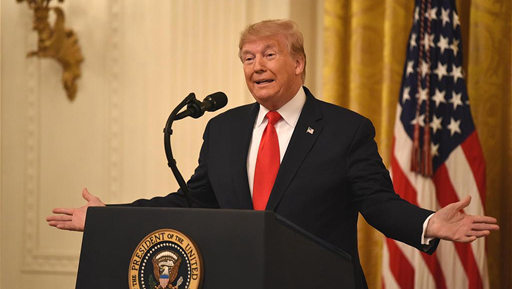
US President Donald Trump is considering a tough measure against Russia amid the ongoing Ukraine-Russia conflict. In an interview with NBC, Trump expressed his "very angry" attitude towards President Vladimir Putin's stance on the peace process. He said that if the talks fail to reach an agreement, the US administration will respond by imposing secondary tariffs on Russian oil to put maximum pressure on the Kremlin.
Tariffs could be as high as 50%, hitting countries that buy Russian oil
Trump stressed that if Moscow is determined to be an obstacle to peace, he will immediately impose secondary tariffs on Russian oil, requiring countries that buy Russian oil to pay higher taxes if they continue to trade with Russia.
"If I think it's Russia's fault, I will put secondary tariffs on all the oil that comes from Russia," Trump said in the interview.
The tariffs, which could range from 25% to 50%, would be imposed within a month of the peace talks breaking down, potentially hitting countries that import Russian oil, such as China, India, Türkiye and the European Union (EU), whose economies are dependent on Moscow for oil.
Secondary Tariff Strategy and Global Impact
Trump’s move mirrors a unilateral tariff policy similar to his crackdown on Venezuela’s oil sector last week, which roiled the South American country’s financial markets. If implemented, Trump’s oil tariffs could further escalate tensions in Europe and push the US-China relationship into a new round of confrontation, especially since Beijing could see them as an act of economic warfare.
While India may be willing to make concessions to avoid confrontation with the US, China is likely to push back hard given the ongoing trade conflict between the world’s two largest economies.
While Trump’s announcement immediately sent shockwaves through energy markets, analysts still believe it may be more of a tactical move, aimed at creating diplomatic pressure than an actual policy. This is reflected in the slight volatility in oil futures, suggesting that the market is still assessing the likelihood that Trump will actually implement the tariffs.