
Top Financial Advisors Recommend Up to 40% Crypto Allocation in Modern Portfolios
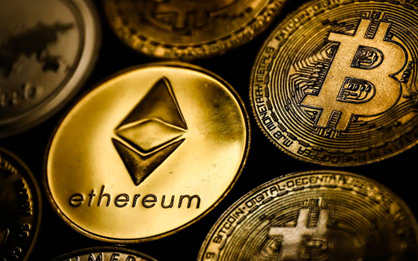
Cryptocurrencies are entering a new era of mainstream adoption as leading financial planners begin recommending unprecedented portfolio allocations to the asset class. Ric Edelman, founder of the Digital Asset Financial Advisory Council (DACFP), made a striking statement on CNBC’s “Crypto World” on June 27, stating that investors should consider allocating between 10% and 40% of their portfolios to crypto.
According to Edelman, the recommendation is not just a strategic adjustment but also reflects a structural shift in how digital assets are viewed. Since 2021, he has recommended a conservative minimum allocation of just 1%. However, with the rapid development of the market, he believes that cryptocurrencies, especially Bitcoin, have moved beyond the niche investment role and are becoming a full-fledged pillar of the modern investment portfolio.
Edelman argues that factors such as legal clarity, increasing participation of large institutions, and mature trading infrastructure have repositioned cryptocurrencies as a sustainable and viable asset class for the long term. He also criticizes the traditional 60/40 allocation model between stocks and bonds, which has dominated investment strategies for decades, as outdated in a world with increasing life expectancy and longer financial expectations.
Instead, Edelman argues that modern investors need to prioritize assets with high growth potential, and cryptocurrencies are prime candidates due to their unique characteristics that separate them from traditional asset classes. “Bitcoin does not move in the same direction as stocks, bonds, gold or commodities. This independence creates an opportunity to diversify risk and improve portfolio efficiency,” he emphasized.
Going beyond theory, Edelman pointed out that a growing number of institutional funds, including sovereign wealth funds, are beginning to explore digital asset allocation as part of their long-term strategies. He cited a recent case where a sovereign wealth fund discussed allocating 2% to 5% to Bitcoin, a figure he believes, if replicated, could push the price of BTC to $500,000 to $700,000 in the long term.
Consensus on Bitcoin’s potential in traditional finance is also growing. Larry Fink, CEO of BlackRock, the world’s largest asset manager, was once a crypto skeptic, but has now publicly endorsed Bitcoin as a viable global financial instrument. Fink also recently highlighted that Bitcoin’s adoption as a serious reserve asset is becoming a reality, especially as pension funds, long-term institutional investors, and central banks begin to take an interest.
While risks such as cyberattacks and price volatility remain, Edelman argues that investors cannot ignore the asset class. The rapid pace of innovation, increasingly widespread use cases, and increasingly diverse use cases from DeFi, stablecoins, and tokenization of crypto assets are reshaping not only markets but also investment thinking.
As the global economy continues to face inflation, a crisis of confidence in fiat currencies, and the need for long-term returns, cryptocurrencies are moving beyond the “alternative asset” realm to become a central part of sustainable finance strategies. With bold recommendations like Edelman's, investors are being strongly pushed to reconsider the true role of digital assets in the future of global finance.