
The Trade War and Web3 Lessons: A New Path for Global Cooperation
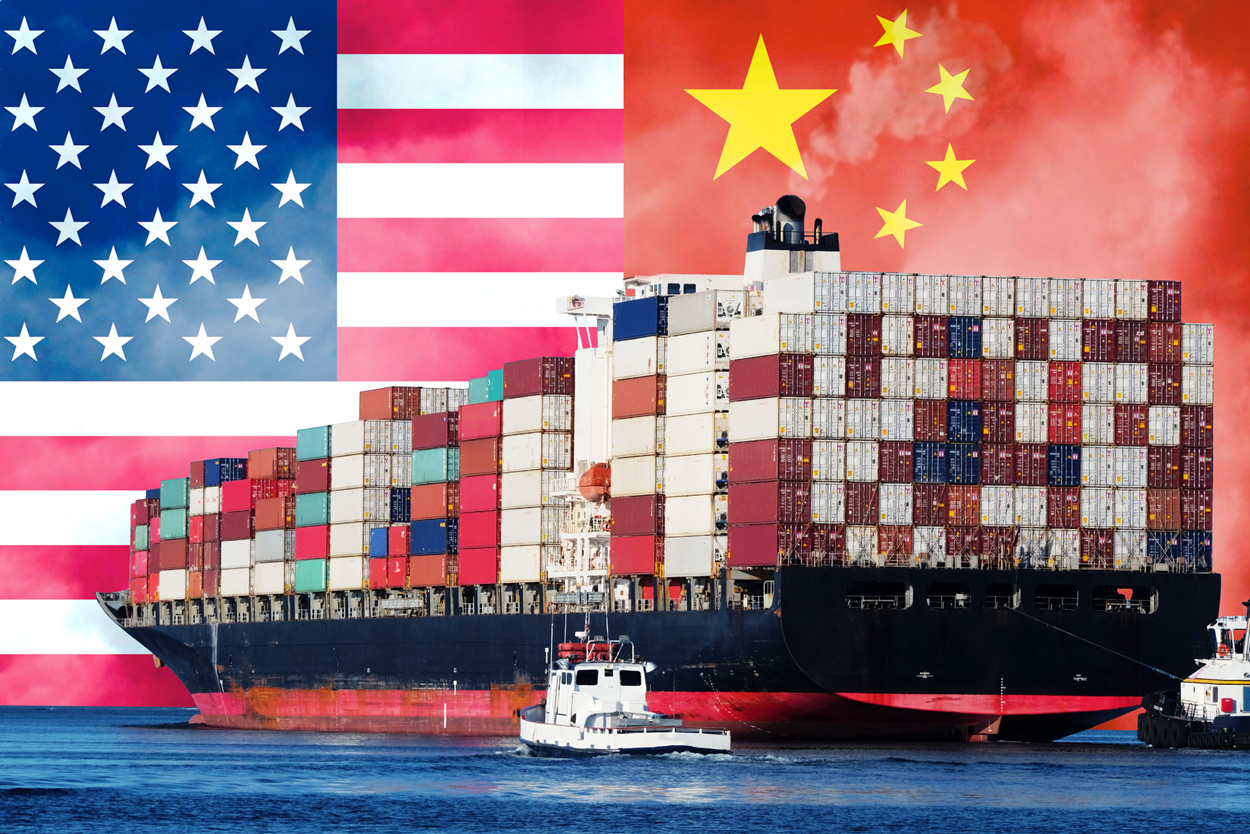
As trade tensions between major powers escalate with tit-for-tat tariffs, Web3 industry leaders say this is not only a sign of the limits of unilateral measures but also an opportunity to explore new models of cooperation – especially from blockchain technology and decentralized governance.
100% Tariffs and Web3’s Rebuttal
The US’s announcement of additional tariffs of up to 100% on some imported goods from China, which could bring the total tariff to 245%, has sparked a backlash from Beijing and the global business community. While the US administration has cited strategic and national security reasons, Web3 observers have questioned the long-term effectiveness of using protectionism as a negotiating tool.
“The trade war shows that unilateral action is increasingly ineffective in an interdependent economy,” said Andrei Grachev, Managing Partner at DWF Labs. “Blockchain, with its transparency, openness and decentralization, offers a new model for cross-border cooperation.”
Web3 as a global collaboration model
Grachev stressed that open-source blockchain systems can operate seamlessly internationally, helping to limit the negative impact of protectionist policies. “Decentralized solutions do not replace traditional systems, but rather serve as a complement – especially in cases where existing systems are inefficient, expensive or exclusionary,” he said.
From a development perspective, he also noted that geopolitical instability has led businesses to increasingly look to more flexible and transparent solutions like blockchain.
Global Trade Needs the Spirit of Crypto
Ben Caselin, Chief Marketing Officer at the VALR Foundation, shares the view that current trade disputes reflect a world still divided by “national” or “partisan” thinking. “Interdependence is an inevitable reality. Unilateral actions undermine this balance,” Caselin warns.
He argues that the crypto industry offers valuable lessons in how Web3 projects operate effectively across borders. “Open and transparent collaboration is the model that global trade should emulate,” he says. “As countries look to avoid trade barriers and control over intermediaries, DeFi and cryptoassets become attractive options.”
Innovation, but a shift in mindset is needed
Caselin also points out that the growing interest in digital assets and DeFi is not just a result of economic upheaval, but also a shift in mindset. “People are starting to look for borderless solutions that reflect the true interconnectedness of individuals – beyond national borders.”
However, he warns that for Web3 to truly play a larger role, the world needs a profound shift in perception: “Instead of viewing each other through the prism of national competition, we need to redefine our loyalty as a united human family.”
From competition to co-creation
The directors at DWF Labs also emphasize that Web3 is not about replacing the current system, but about enriching global tools. “We are witnessing a transformation – where Web3 is bridging the gaps in the current systems,” Grachev concludes.
As economic tensions continue to rise, the message from the Web3 community is clear: instead of choosing confrontation, the world can learn to cooperate based on the principles of openness, transparency, and decentralization – the core values that blockchain brings.