
Thailand Tightens Crypto Regulation: Unlicensed Exchanges to Be Banned from June 2025
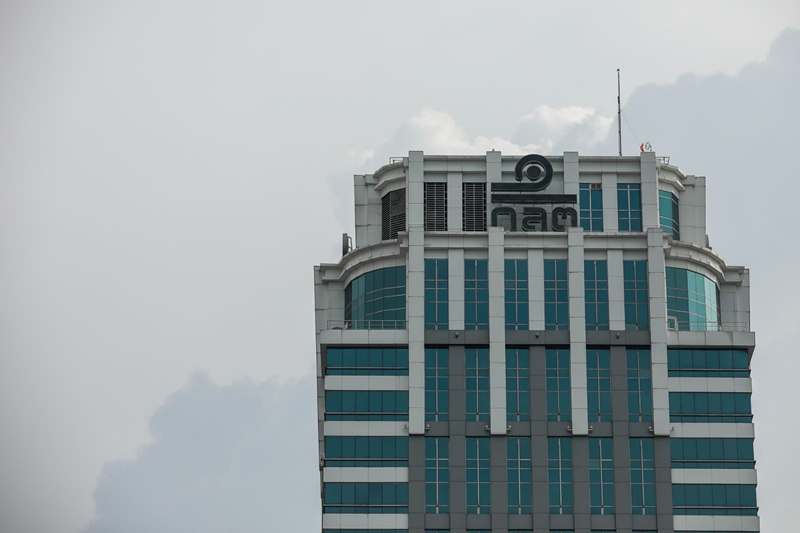
Bangkok, Thailand — The Thai Securities and Exchange Commission (SEC) has issued a strong statement to strengthen its control over the digital asset industry, with five unlicensed cryptocurrency trading platforms being blocked from access in Thailand from June 28, 2025. The move is part of efforts to protect investors and prevent money laundering in the rapidly growing digital asset sector.
Blacklisted: Bybit, OKX, Coinex, 1000x.live, and XT.COM
According to the Thai SEC, Bybit.com, 1000x.live, Coinex, OKX, and XT.COM are all operating without a license under the Digital Asset Business Act. The SEC has referred the cases to the Economic Crimes Division (ECD) for investigation and criminal prosecution if necessary.
The Ministry of Digital Economy and Society has also received an official request from the SEC to block access to these platforms nationwide since late June.
Warning to Investors: Withdraw Assets Immediately
The SEC is urging people using unlicensed exchanges to withdraw their assets before the ban takes effect. The agency stressed that trading on unlicensed platforms is not protected under Thai law and faces a high risk of fraud, scams, and money laundering.
“Using unlicensed platforms leaves investors without any legal protection if risks arise,” the SEC said in a public notice.
Exchanges Speak Out: Seeking Dialogue and Regulatory Compliance
Following the SEC’s announcement, several listed platforms, including Bybit and OKX, issued statements pledging to work with Thai authorities to clarify the regulatory landscape. They stressed that they will provide regular updates to domestic users and ensure that high standards of security, compliance, and service quality continue to be maintained.
Tightening Oversight Amid Rapid Growth
The latest move from the Thai SEC reflects a growing trend in the region: Southeast Asian countries are stepping up to establish stricter regulatory frameworks for digital assets, both to protect consumers and to encourage sustainable development.
As international exchanges expand their reach, regulators are looking to ensure that domestic crypto trading is well-regulated, transparent, and compliant.
Conclusion
With the deadline for blocking access approaching, Thai users need to act immediately to avoid financial loss. At the same time, the incident serves as a wake-up call for digital asset service providers operating across borders: compliance with local regulations is a prerequisite for long-term growth in an increasingly stringent regulatory environment.