
South Korean Central Bank Rejects Bitcoin as Reserve Over Volatility and Liquidity Concerns
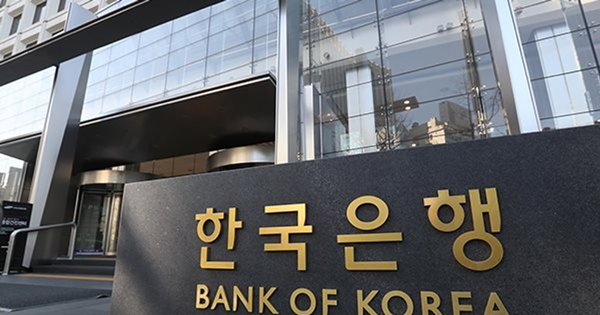
The Bank of Korea (BOK) has officially rejected adding Bitcoin to its foreign exchange reserves, citing concerns over its high price volatility and Bitcoin’s failure to meet the necessary liquidity and credit rating standards. The move follows a March 6 executive order from US President Donald Trump, which recommended financial institutions consider including Bitcoin in their foreign exchange reserves.
Bank of Korea’s Stance
In response to a question from Rep. Cha Gyu-geun, the BOK stressed that the country’s reserves must be immediately usable and must consist of convertible currencies with high credit ratings. Bitcoin, according to the central bank, does not meet these requirements due to its extreme price volatility and unstable liquidity.
BOK officials also pointed out that Bitcoin's recent sharp price fluctuations have raised concerns about the stability of the asset. Adding a volatile asset like Bitcoin to foreign exchange reserves could pose unnecessary risks to the national economy.
BOK's caution aligns with major financial institutions
The BOK's cautious stance is in line with the views of many major financial institutions around the world, including the European Central Bank (ECB) and the Swiss National Bank (SNB), both of which have rejected the possibility of using Bitcoin as part of foreign exchange reserves due to concerns about the instability of the cryptocurrency market.
The Bank of Korea said that it will continue to monitor the development of the cryptocurrency market, but for now, Korea's foreign exchange reserves will continue to focus on traditional currencies with high stability and meeting global financial standards.
Global Background on Bitcoin and Foreign Exchange Reserves
The BOK decision comes amid a global debate over the role of Bitcoin and other crypto assets in the financial system. While some countries are considering using cryptocurrencies in their payment systems or as reserves, major central banks continue to maintain a cautious stance.
The Bank of Korea has stressed that its top priority is to maintain liquidity and stability in the financial system, something it believes Bitcoin cannot currently provide.
The Bank of Korea (BOK) has officially rejected adding Bitcoin to its foreign exchange reserves, citing concerns over its high price volatility and Bitcoin’s failure to meet the necessary liquidity and credit rating standards. The move follows a March 6 executive order from US President Donald Trump, which recommended financial institutions consider including Bitcoin in their foreign exchange reserves.
Bank of Korea’s Stance
In response to a question from Rep. Cha Gyu-geun, the BOK stressed that the country’s reserves must be immediately usable and must consist of convertible currencies with high credit ratings. Bitcoin, according to the central bank, does not meet these requirements due to its extreme price volatility and unstable liquidity.
BOK officials also pointed out that Bitcoin's recent sharp price fluctuations have raised concerns about the stability of the asset. Adding a volatile asset like Bitcoin to foreign exchange reserves could pose unnecessary risks to the national economy.
BOK's caution aligns with major financial institutions
The BOK's cautious stance is in line with the views of many major financial institutions around the world, including the European Central Bank (ECB) and the Swiss National Bank (SNB), both of which have rejected the possibility of using Bitcoin as part of foreign exchange reserves due to concerns about the instability of the cryptocurrency market.
The Bank of Korea said that it will continue to monitor the development of the cryptocurrency market, but for now, Korea's foreign exchange reserves will continue to focus on traditional currencies with high stability and meeting global financial standards.
Global Background on Bitcoin and Foreign Exchange Reserves
The BOK decision comes amid a global debate over the role of Bitcoin and other crypto assets in the financial system. While some countries are considering using cryptocurrencies in their payment systems or as reserves, major central banks continue to maintain a cautious stance.
The Bank of Korea has stressed that its top priority is to maintain liquidity and stability in the financial system, something it believes Bitcoin cannot currently provide.