South Korea Greenlights Free Cryptocurrency Trading for Nonprofits and Exchanges from June
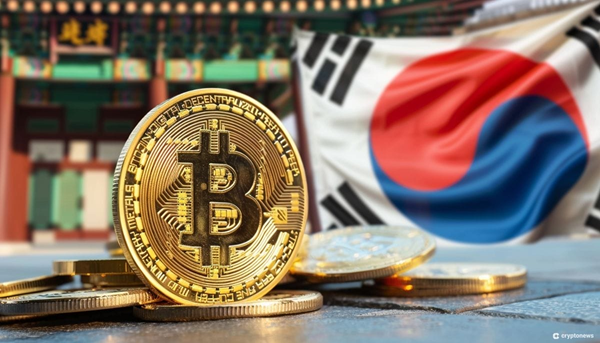
Seoul, South Korea – In a major step forward in its efforts to regulate and legalize digital assets, the South Korean government will officially allow non-profits and cryptocurrency exchanges to trade freely from June.
The announcement came after the fourth meeting of the Virtual Assets Committee in Seoul, indicating that the government is gradually expanding its legal framework to encourage legal and transparent participation of entities in the cryptocurrency space. The move is seen as a parallel effort to promote financial innovation while ensuring consumer protection.
Free Trading But Under Control
The Financial Services Commission (FSC) has approved new draft guidelines that will allow non-profits to set up dedicated virtual asset trading accounts. However, to prevent abuse and money laundering, these organizations are required to establish an internal Donation Review Committee to verify the source and appropriateness of donations received in digital assets.
For exchanges, the right to sell licensed virtual assets is subject to clear conditions. Only registered digital asset business operators are allowed to sell, and this activity must only be done to cover operating costs – not for speculative purposes or to create market influence.
Strict Restrictions on Trading and Selling
The conditions include: selling only assets in the top 20 market capitalizations on the five major exchanges using KRW, limiting the daily selling volume to no more than 10% of the total planned sale amount, and prohibiting the sale of assets on their own platforms to avoid price manipulation.
In addition, all asset sale plans must be approved by the exchange’s board of directors and disclosed in advance, along with a transparent post-sale report on the results and use of the proceeds.
Determined to Enhance Transparency in a New Era
The FSC affirmed that May will be the time to complete identity verification measures for transactions between non-profit organizations and exchanges – an important step in preventing illegal behavior in the sector.
The commission also said that it is preparing for the next phase of its corporate integration strategy, which includes issuing real-name accounts for listed corporations and professional investors in the second half of this year.
A Step Forward in Digital Currency Regulation
The decision marks a pragmatic and flexible step in the approach to digital assets by South Korea – a country that has long played an important role in the global cryptocurrency market. This controlled openness shows that the government is trying to balance innovation and responsibility, market freedom and financial security.