
SEC Pushes for Clear Regulatory Framework for Tokenization, Paving the Way for a Digital Financial Future
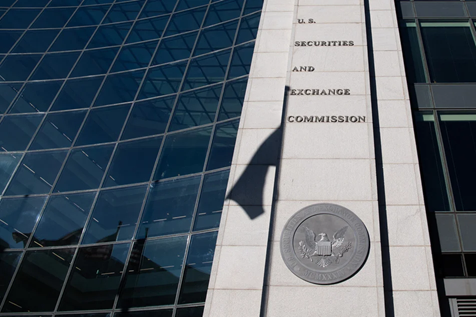
Washington, D.C. – As the global financial markets increasingly embrace blockchain technology, U.S. Securities and Exchange Commission (SEC) Commissioner Hester Peirce has made a strong call for regulatory clarity on the tokenization of traditional financial assets. Speaking at the fourth roundtable of the Cryptocurrency Task Force on May 12, Peirce emphasized that tokenization is not just a technological innovation — it is an inevitable step in the evolution of the financial system.
Tokenization: Bridging Traditional and Decentralized
According to Peirce, tokenization — or tokenization — represents the process of digitizing traditional assets such as stocks and bonds into tokens that can be traded and managed on a blockchain platform. This is seen as a natural extension of the SEC’s oversight mission, as blockchain technology increasingly permeates core financial operations.
“Tokenizing financial assets does not change their legal nature — it just improves how they are stored, traded, and integrated,” Peirce emphasized.
She likened the transformation to how the internet reshaped communications and information transmission. With smart contracts, securities can automatically distribute dividends, adhere to vesting schedules, or integrate with DeFi protocols to expand functionality and liquidity.
The benefits are clear, but progress is slow due to regulatory hurdles
Peirce cited the successful development of stablecoins and blockchain-based private funds as examples of how tokenization is not only possible, but also highly efficient, increasing market access. Financial assets stored on open networks can become more flexible, easier to use, and potentially “unlock” layers of liquidity held back by the current system.
However, she warns that a lack of regulatory clarity is holding back this potential.
“We cannot expect tokenization to realize its full value if the law remains ambiguous,” Peirce said. She noted that issuers and agents are still struggling to determine whether blockchain networks can serve as official records of securities under federal law, although some state laws have recognized this.
A Call to Action from the SEC
Hester Peirce called on the SEC to adopt the principle of “technology neutrality,” meaning that there should be no legal distinctions just because a security is represented in a tokenized form. This approach, she argues, would help facilitate innovation without compromising investor protection or market stability.
She also highlighted the importance of dialogue between lawmakers, technologists, and industry stakeholders to address remaining regulatory hurdles — from transfer agent regulation, market structure requirements, to the role of decentralized, permissionless networks.
A New Outlook for Capital Markets
With the latest statements from one of the most influential figures at the SEC, the financial industry is seeing a clearer path for the future of asset tokenization. If regulatory hurdles are cleared, tokenization could not only make traditional financial assets smarter and more efficient — but also usher in a new era for global capital markets.
Meanwhile, investors, developers, and policymakers will need to work together more closely than ever to realize this vision, where blockchain technology is no longer an afterthought but a core part of the modern financial system.