
SEC Announces New Agenda, Putting Crypto at the Top of US Financial Reform
The US Securities and Exchange Commission (SEC) h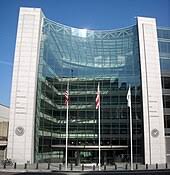 as just released its Spring 2025 Unified Regulatory Agenda, with cryptocurrency as one of its top priorities. The move is seen as a major turning point, signaling a more transparent approach to digital assets while cutting outdated rules and compliance burdens for businesses.
A New Direction for the SEC
SEC Chairman Paul Atkins said the agenda reflects “a new day” at the Commission. He said the focus is on supporting innovation, promoting capital raising, enhancing market efficiency and ensuring investor protection. At the same time, the SEC also withdrew many proposals from the previous administration that Atkins said were no longer relevant.
“My top priority is to introduce clear rules for the issuance, custody and trading of crypto assets, and to crack down on breaches of the law,” Atkins said.
Two key initiatives
The agenda includes two key initiatives:
A regulatory framework for the offer and sale of digital assets – overseen by the Corporate Finance Division, which is expected to publish proposals by April 2026. This could include exemptions and “safe harbours” for certain types of issuance.
A trading regulation amendment – overseen by the Trading and Markets Division, which would update the Securities and Exchange Act to explain how crypto assets are traded on national exchanges and alternative systems. This is also targeted for April 2026.
Both are considered to have great economic significance and appear for the first time on the Unified Agenda, indicating the SEC's official shift towards cryptocurrencies.
Reducing the burden of compliance and modernizing the system
In addition to cryptocurrencies, the SEC also introduced many other measures:
Cutting compliance costs for businesses.
Expanding opportunities for private investment to more investors.
Modernizing information disclosure, eliminating outdated requirements.
Reviewing the Consolidated Audit Trail (CAT) project - a controversial market surveillance system due to high costs and centralized data risks, especially after the ruling of the US Court of Appeals for the 11th Circuit.
Implications for the US financial market
Proponents see this move as an opportunity for the US to increase global competitiveness in the digital finance sector, when a clear legal framework will create trust for both investors and businesses.
However, some caution that while more transparent regulation could spur innovation, risks in the rapidly evolving cryptocurrency market still require close monitoring.