
Russia Accelerates Dedollarization Through BRICS Bank: Remaking Global Finance?
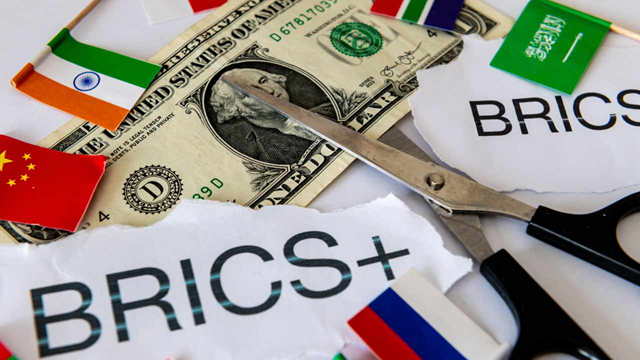
Russia is stepping up pressure to end the dollar’s dominance in global finance through its increasingly close ties with the BRICS bloc’s New Development Bank (NDB). Moscow is working closely with the NDB to expand its national currency financing mechanisms as part of a long-term strategy toward a multipolar financial order, according to Deputy Foreign Minister Sergey Ryabkov.
BRICS Step Up Role in Dedollarization Revolution
In an interview with Komsomolskaya Pravda published on Monday, Ryabkov stressed Russia’s strategic role in promoting dedollarization with the NDB. He described the efforts as a necessary response to the pressure of sanctions from the West, which are stifling financial activity in Russia.
“We are actively working with the NDB in a number of areas, in particular expanding financing in national currencies and developing innovative financial instruments for investments,” Ryabkov said.
Under the leadership of the bank’s President Dilma Rousseff, the NDB is reaffirming its commitment to operating fairly and non-discriminatorily, despite the restrictions imposed by Western sanctions.
Sanctions Pressure Pushes New Trends
The Russian official acknowledged that Western sanctions have severely affected the NDB’s ability to operate on Russian territory. However, he said that this is not just a Russian problem but a common concern for the entire BRICS bloc.
“Our BRICS partners share concerns about the negative impact of illegal sanctions – not only on individual national economies but also on the global economic system,” he said.
Ryabkov stressed that unilateral sanctions are undermining the multilateral trading system and hindering progress toward achieving the United Nations Sustainable Development Goals (SDGs).
Is a Fairer Financial System in the Making?
Although BRICS has faced criticism for its move away from traditional Western financial institutions such as the IMF and the World Bank, member states are working together to build an alternative financial system – one that is less dependent on the US dollar and less subject to unilateral political decisions.
“We believe that a multipolar financial system – one that is fairer and more flexible – is the necessary path to ensuring stability and sustainable development for all countries,” Ryabkov concluded.
Context:
The BRICS bloc – made up of Brazil, Russia, India, China and South Africa – is emerging as an economic and political alliance that challenges the unipolar, Western-led world order. Strengthening financial cooperation, developing a common currency or using national currencies are at the heart of this group's long-term strategy.