
Oil markets face major turning point as Middle East tensions push up global energy prices and inflation
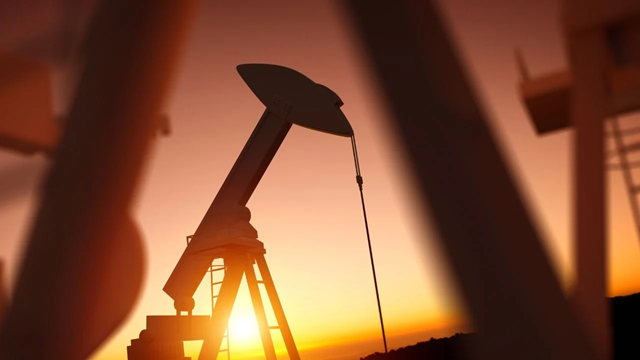
The global oil market is on a "knife edge" as Brent crude oil prices hover around $77 a barrel amid escalating geopolitical tensions in the Middle East. New developments in the conflict between Iran and Israel, along with US military moves in the region, have raised concerns about disruptions to the global energy supply chain, especially at key choke points such as the Strait of Hormuz. As a result, inflationary pressures are at risk of returning and threatening to undermine already fragile economic growth.
Global economy faces energy earthquake
Prominent economist Mohamed El-Erian has warned on social media platform X that "the global economic impact of the latest developments in the Middle East has not yet been fully reflected in current financial markets". He said the current Brent price is unsustainable and vulnerable to sharp corrections in either direction, depending on developments on the ground.
"$77/barrel is too low if the conflict escalates, leading to disruptions in shipping through the Strait of Hormuz or direct attacks on oil facilities, but it is also too high if there is no further escalation, given the short-term oversupply of the global oil market," El-Erian said.
Risk of a return to inflation and spillover effects
Unrest in the Middle East is pushing up global energy prices, triggering a chain reaction of negative effects. Rising oil prices will push up transportation, production and living costs in major economies to new highs, complicating central banks' efforts to control inflation. The US Federal Reserve, the European Central Bank and others may be forced to keep interest rates high for longer than expected – slowing the economic recovery and weighing on financial markets.
El-Erian also warned that the indirect effects of the geopolitical crisis are seeping into the real economy in a more insidious and difficult-to-measure way. “We are seeing a trend of businesses and consumers being more cautious, which will lead to slower growth and higher operating costs in the medium to long term,” he said.
Market volatility and capital flows shifting
In the face of heightened risk, investment flows are starting to move away from risky assets such as stocks and into safe havens such as gold, government bonds and the US dollar. Global stock markets have seen a mild sell-off, especially in regions heavily dependent on energy imports. At the same time, the cost of shipping goods by sea is rising sharply as shipping lines reroute to avoid dangerous hotspots, leading to congestion and delays in the global supply chain.
Analysts say that if the conflict continues to escalate and affects oil exports from the Gulf countries, Brent prices could quickly surpass $90/barrel. Conversely, if a lasting ceasefire is reached and the region is stabilized, prices could correct to the $70 region as current inventories remain high.
The Future Scenario: Breakout or Recession?
The global economic outlook depends heavily on geopolitical developments in the coming weeks. If tensions are not controlled, the risk of resurgent inflation and slowing growth will create a negative spiral. In the worst case, the world could face a wave of high inflation and low growth similar to the 1970s.
However, if an effective political solution is reached and global oil supplies are not severely disrupted, this could be an opportunity for the market to rebalance. Major consuming countries such as China, India and the EU will continue to play an important role in stabilizing demand. At the same time, OPEC+ will also be under pressure to adjust production to control prices within reasonable ranges.
Conclusion
The oil market is at a decisive inflection point. Energy prices will be a key indicator of the severity of the Middle East crisis, while shaping the global growth outlook and monetary policy in the second half of 2025. Meanwhile, investors and policymakers need to prepare for strong volatility, as global markets continue to operate under the weight of geopolitical risks.