
Israel–Iran tensions threaten to plunge global economy into crisis if Strait of Hormuz is closed
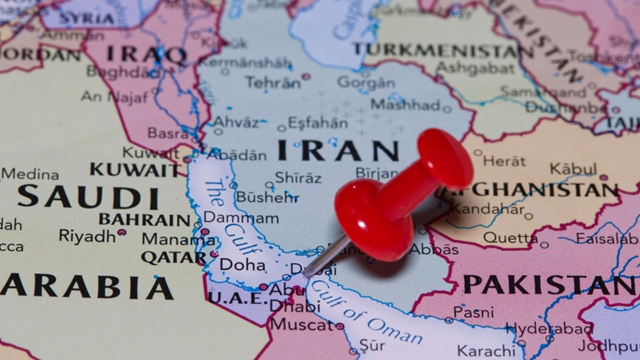
Escalating tensions between Israel and Iran are raising fears of a global energy crisis, with worst-case scenarios including Iran shutting down the Strait of Hormuz being seriously considered. As one of the world’s most strategically important shipping lanes, any disruption in Hormuz could send shockwaves through the global supply chain, sending oil prices to multi-year highs.
The Strait of Hormuz, located between the Persian Gulf and the Sea of Oman, is a strategic gateway for more than 20% of the world’s oil supply. Tens of millions of barrels of crude and liquefied natural gas pass through the area every day to major markets in Asia, Europe and North America. Closure of the strait, even for a short time, would severely disrupt global energy flows and push oil prices far beyond their stable levels.
The situation has become more serious as senior Iranian officials, including Revolutionary Guards commander Sardar Esmail Kowsari, have hinted at the possibility of using control of Hormuz as a retaliatory measure against Israeli military action. “Iran will take the most appropriate and decisive decision if the situation requires it,” he said.
If this happens, Europe would be the region most directly and severely affected, according to international security expert Claude Moniquet. He said that the disruption of oil flows from the Persian Gulf could “create a total energy disaster,” pushing energy prices to uncontrollable levels and crippling industries dependent on fossil fuels. Supply chains from chemicals to consumer goods to transportation would be severely affected.
Energy markets have already begun to react. Since the first airstrikes between the two sides broke out, Brent crude has broken above $70 a barrel and is hovering near $77. Supply concerns have investors betting on defensive assets and raising expectations of further price increases if military tensions do not ease.
However, the fallout from the conflict is not limited to the energy market. If the crisis spreads and draws regional or international powers into confrontation, the world could face a new economic recession. Global growth would be threatened while inflation could return at a strong pace due to rising energy prices.
Data from blockchain-based betting platform Polymarket shows that the odds of a possible closure of the Strait of Hormuz have nearly doubled following recent attacks between the two sides, suggesting that the market is increasingly considering this possibility.
The current situation requires all parties involved, especially influential regional powers such as the US, EU and Gulf countries, to make diplomatic efforts to contain the escalation of the conflict. Otherwise, the world could witness an energy economic crisis of a scale and speed of spread greater than that which occurred during the oil crisis of the 1970s.
Although there has been no official move from Iran to close the Strait of Hormuz, the possibility alone is enough to put the world market on high alert. The rest depends on the extent to which Iran is willing to act and the actual military capacity to control this waterway. But what is clear is that any step in that direction will create geopolitical and economic waves that will spread across the globe.