
Dollar plunges in 2025 as Fed moves closer to easing cycle
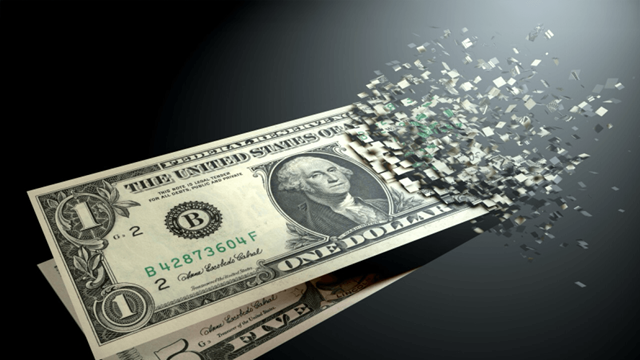
The greenback has fallen more than 10% since the start of 2025, marking one of its steepest declines in a decade. This comes ahead of the Federal Reserve meeting, where officials are expected to cut interest rates by another 0.25 percentage points.
Fed easing, USD advantage weakens
The DXY index – a measure of the dollar’s strength against a basket of major currencies – has fallen to multi-year lows, driven by weak economic data, growing fiscal pressures and concerns about new tariffs that could complicate supply chains. Meanwhile, interest rates in Europe and many other developed markets are stabilizing, reducing the yield spread in favor of the US.
“What was once a moat for the dollar has become a shallow puddle,” one Wall Street trader said.
Consumers and businesses are feeling the impact
American consumers are feeling the greenback’s slide: prices for imports, food, airfares and fuel have risen, helping to keep inflation higher than expected. American tourists are also feeling their wallets get thinner as coffee in Rome and hotels in Tokyo become more expensive.
For businesses, the impact is twofold:
Multinational corporations benefit as foreign revenues translate into more dollars.
In contrast, importers and retailers are under cost pressure, forcing them to raise prices or reduce profit margins.
Signals in financial markets
The dollar’s weakness has shaken up investment rankings:
International and emerging market stocks outperform US assets.
Gold and many other commodities have been pushed higher.
Bond funds should reconsider their inflation scenario, as a weaker dollar could prolong price pressures.
Long-term view
Analysts say this is not a “currency coup,” but rather a correction after a 15-year bull run for the dollar. While the dollar remains central to the global payments system, confidence in the dollar is not a default right — it must be maintained through steady policy and sustained economic growth.
If the Fed manages wisely and the US economy recovers, the pace of decline could slow. If not, the process of diversifying foreign exchange reserves into euros, yuan or gold will become increasingly evident.
What next?
The focus now is on upcoming inflation data, the policy message from the Fed meeting, and the risk from new tariff packages. Until that picture clears up, global investors are leaning defensive: increasing currency hedges, allocating to non-US assets and taking advantage of a weaker dollar.