
De-dollarization surges in Asia, challenging dollar dominance in global trade
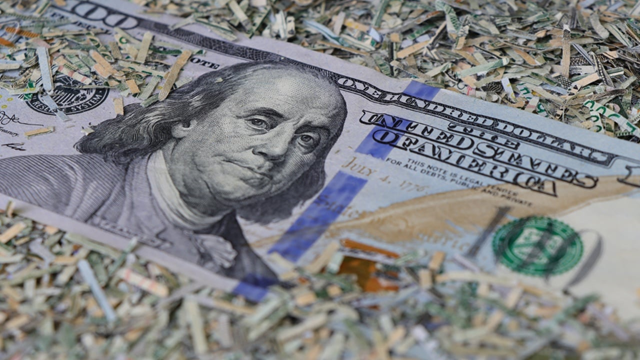
Asia’s de-dollarization drive is gaining traction as BRICS and ASEAN accelerate local currency trading, pushing currency hedging to record highs and challenging the dollar’s dominance.
De-dollarization in Asia Currency hedging surges to record highs
A growing trend of de-dollarization is taking place across Asia as policymakers, institutional investors and economic blocs seek alternatives to the US dollar amid concerns about currency volatility, geopolitical risks and the greenback’s use in sanctions strategies, CNBC reported. The dollar’s share of global foreign exchange reserves is set to fall to 57.8% by 2024, down sharply from more than 70% in 2000, according to data from the International Monetary Fund (IMF). The decline coincided with a sharp decline in the dollar index earlier this year and increased investor demand for currency hedging and local currency exposure, especially in Asia.
As part of this shift, the Association of Southeast Asian Nations (ASEAN) released its Economic Community Strategic Plan for 2026 to 2030, which calls for greater use of local currencies in trade and investment and deeper regional payments integration. The plan was approved at formal meetings in May. Meanwhile, BRICS nations are actively promoting bilateral trade in their own currencies and expanding alternatives to Western-dominated systems like SWIFT. Lin Li, head of Asia global markets research at Mitsubishi UFJ Financial Group (MUFG), Japan’s largest bank by assets, was quoted by CNBC as saying:
Dedollarization is on the rise as Asian economies in particular look to reduce their reliance on the greenback in the hope of using their own currencies as a medium of exchange to reduce foreign exchange risks.
Craig Chan, head of global foreign exchange strategy at Nomura Securities, added that “some of the high-performing stocks we are looking at would be places like the Japanese yen, the Korean won and the Taiwan dollar.” Nomura reported that Japanese life insurers increased their hedging ratio from 44% to 48% from April to May, while Taiwan's hedging ratio stood at 70%.
Abhay Gupta, Asia FX and fixed income strategist at Bank of America, commented on the regional shift in depositor behavior: "Dedollarization in ASEAN is likely to accelerate, primarily through the conversion of accumulated FX deposits from 2022." Mitul Kotecha, head of FX and emerging markets macro strategy for Asia at Barclays, said the shift has a strategic dimension:
Countries are looking at the fact that the dollar has been and can be used as a weapon in terms of trade, direct sanctions, etc. That's the real shift.
Francesco Pesole, a foreign exchange strategist at ING, noted political and market factors: “Trump’s erratic trade policy decisions and the sharp depreciation of the dollar may be encouraging a more rapid flight to other currencies.” However, many analysts warn that no obvious alternative exists. “No other currency has the liquidity, depth of bond markets and credit that the dollar does,” Pesole said.