
Court Denies Ripple, SEC Motions in XRP Case: Lawyers Give Two Controversial Reasons
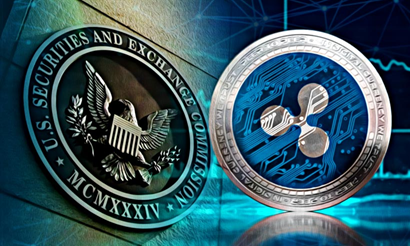
In a surprising development that has reignited the long-running legal battle between Ripple Labs and the Securities and Exchange Commission (SEC), U.S. District Judge Analisa Torres has formally denied a joint motion by both parties to modify the final judgment in the XRP case. The move not only upholds the $125 million fine but also maintains a ban on certain future sales of XRP. The ruling has sparked speculation among the crypto community and legal experts, with attorney Fred Rispoli citing two interesting reasons.
Controversial Ruling
In a June 25 statement, Judge Torres asserted that neither party had demonstrated the existence of “exceptional circumstances” that would warrant a change in the previous decision. She stressed that only an appellate court, not a bilateral agreement after the ruling, has the legal authority to change or remove existing penalties and injunctions.
Ripple attempted to argue that its business model had changed significantly, so the ruling should be modified. However, the judge said that this argument was not strong enough to pass the necessary legal threshold.
Attorney Fred Rispoli: “There are only two possible reasons”
Attorney Fred Rispoli, who has been following the case since the beginning, shared a different, equally bold perspective. According to him, the decision to deny could stem from two reasons:
1. The judge’s frustration with the lengthy proceedings
“She may feel like her time has been wasted after 4.5 years of dealing with a long-running, contentious case with no clear end in sight,” Rispoli wrote on the X platform (formerly Twitter). The complexity and fatigue of the case, he said, affected the final ruling, making the judge less receptive to “last-minute” motions from both sides.
2. Implicit political bias toward the Trump administration
The second reason Rispoli gave was the possibility of political bias. “She may not be friendly to the Trump administration and is deliberately creating obstacles for companies that are seen as benefiting from the softer stance on cryptocurrencies during that tenure,” he stressed. Ripple has long been seen as a leader in the fight against the SEC and has been supported by some Trump administration officials in their stance on protecting technological innovation.
While these comments are personal and not backed by concrete evidence, they reflect the deep uncertainty and skepticism in the crypto community about regulatory decisions related to the industry.
What’s next for Ripple and XRP?
Rispoli also noted that while the court declined to overturn the ruling, it is unlikely that the parties will pursue an appeal. “The SEC may announce that it is dropping the appeal but not formally. It is also possible that they will quietly let the case die without opposing Ripple’s appellate brief,” he noted. Rispoli envisions a realistic scenario where the two sides reach a settlement around the $50 million penalty, with the current ban remaining in place in part.
Notably, he also emphasized that the current ban does not affect XRP on the secondary market, where most retail investors and exchanges operate. This also does not preclude the potential for a future XRP spot ETF to be approved if other legal conditions are met.
Impact on the broader crypto market
Judge Torres’ ruling could set a precedent for future lawsuits between the SEC and blockchain companies. It sends a message that even if the parties reach a settlement, the court will retain the final say based on the existing legal framework. This creates a barrier for companies that want to negotiate directly with regulators to “fix” a mistake after a ruling has been issued.
At the same time, the ruling also shows the growing toughness of the US legal system towards the cryptocurrency sector in a polarized political climate, and as federal judges increasingly play a role in shaping the future of the industry.
Conclusion
Judge Torres’s rejection of both Ripple and the SEC’s motions is a significant turning point in the XRP case and a reminder that the legal system is not susceptible to backroom deals. While the true motives behind the court’s decision remain unclear, its implications for Ripple, XRP, and the broader cryptocurrency industry cannot be understated. While investors wait for the next move, one thing is certain: the legal battle over cryptocurrencies in the US is far from over.