
CLARITY Act: A Major Step Forward in Shaping the Regulatory Framework for Digital Assets in the United States
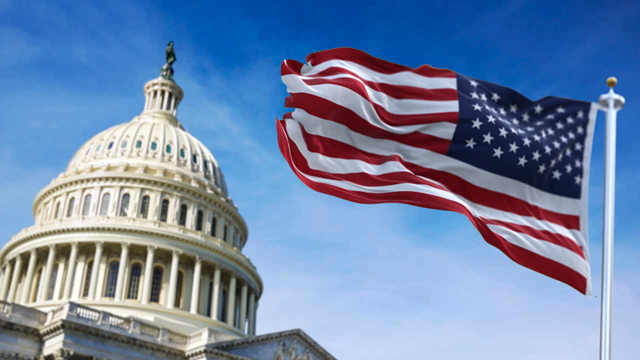
Marked a major milestone in the effort to legitimize and regulate the digital asset market in the United States as the CLARITY Act passed two key House committees with bipartisan support and broad consensus from the crypto industry. This event paves the way for a new era of transparent regulation, investor protection, and innovation in the US-based blockchain sector.
The CLARITY Act, fully titled the “Digital Asset Market Transparency Act of 2025” (HR 3633), co-sponsored by House Financial Services Committee Chairman French Hill and Agriculture Committee Chairman GT Thompson, passed its respective committees by votes of 32-19 and 47-6. This is a notable milestone, not only because of its bipartisan nature, but also because of the rare consensus among lawmakers and industry representatives on an issue that has been complex and contentious for years.
The bill focuses on creating a clear and comprehensive regulatory framework for digital assets, addressing longstanding gaps in oversight and jurisdiction. One of the highlights of the bill is the clear division of roles between the two major regulatory agencies, the Securities and Exchange Commission (SEC) and the Commodity Futures Trading Commission (CFTC). Specifically, the CFTC will have primary responsibility for digital assets classified as commodities, while the SEC will retain oversight of digital securities, creating a more unified and transparent roadmap for both investors and businesses.
In addition, the bill includes a series of key provisions aimed at protecting and supporting the growth of the industry. Including a clear legal definition of digital assets, a temporary registration process for cryptocurrency intermediaries, and, crucially, protections for non-custodial wallet developers to ensure they are not considered money transmitters under the Bank Secrecy Act. These provisions reflect a growing awareness among lawmakers of the diversity and sophistication of the modern blockchain ecosystem.
Reaction from the blockchain and cryptocurrency industry has been positive. Summer Mersinger of the Blockchain Association praised the bill as an essential building block for the United States to maintain its leadership role in the global digital economy, emphasizing that clearly designed and stable rules are a prerequisite for maintaining competitiveness. Meanwhile, Peter Van Valkenburgh of Coin Center praised the balance of the bill, saying that the journey to CLARITY was “long and difficult,” but absolutely necessary to address lingering ambiguity.
Ji Hun Kim, a representative of the Cryptocurrency Innovation Council, warned that without clear action from Congress, the United States risks seeing a wave of technological innovation migrate to countries with more open regulations. This warning reflects the reality of fierce global competition in blockchain technology, where financial centers such as Singapore, Dubai, and the European Union are rapidly implementing their own regulatory frameworks to attract investment and innovation.
Several industry organizations and major technology companies have also voiced support for the bill. The Future Industry Association praised the bill's role in providing regulatory certainty, while the Center for Decentralization Studies welcomed the formal recognition of decentralized principles. The Institute of Internal Auditors supported the governance and transparency provisions, and the International Derivatives Association (ISDA) believes the bill will improve liquidity in the digital asset market.
Founders and executives at leading crypto platforms such as Chris Dixon (Andreessen Horowitz), Nathan McCauley (Anchorage Digital), as well as major exchanges such as Coinbase and Kraken, have urged Congress to quickly enact the bill. They stressed that regulatory clarity not only protects consumers, but is also necessary to spark domestic technological innovation while preventing a brain drain abroad.
As the US faces pressure from international competitors and a growing demand for transparency in the digital asset space, the CLARITY Act is seen as an essential step in establishing global blockchain leadership. With growing support from both parties and the business community, the bill is moving closer to becoming law, marking a major milestone in shaping the future of the digital asset ecosystem in the United States.