
China's 'nuclear option' in trade war could backfire, warns Pakistani expert
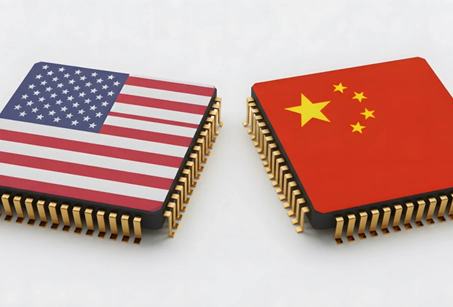
As US-China trade tensions continue to escalate, Beijing's potential retaliation strategy – dumping $700 billion of US Treasury bonds – is worrying global observers. While the move could pressure Washington to reduce or eliminate tariffs on Chinese goods, Majid Soofi, director general of Pakistan's Ministry of Finance, said it was a dangerous move that posed many risks to the Chinese economy.
Soofi, speaking on LinkedIn, likened the US debt sell-off to a “double-edged sword”: “China knows the consequences. Its foreign exchange reserves will plummet, its financial system will face the risk of instability, and most importantly, the global leverage Beijing has worked so hard to build will be eroded.”
The move to dump US bonds has not been mentioned before, but so far China has not chosen to use this “economic weapon”. However, the US has just increased tariffs up to 145% on some Chinese goods, making the possibility of retaliation more real than ever. In some scenarios analyzed by Western media, if China actually takes this step combined with the devaluation of the yuan, the result could be a global financial “earthquake”.
“Even selling a portion of the $700 billion in bonds would be enough to create shocks. US bond yields would skyrocket, refinancing costs would rise, and the US Federal Reserve would be forced to act urgently,” Soofi emphasized. He also noted that while a weaker yuan could temporarily boost China’s export competitiveness, it could also lead to capital flight and trigger a regional currency war.
China is now caught between responding aggressively and protecting itself from the consequences of its actions, according to Soofi. “In this game, both sides are at risk of overturning the board,” he warned, likening it to an all-out economic war rather than a tactical chess game where any mistake will be costly.
Still, officials and policymakers in Beijing may consider keeping this “nuclear option” as a deterrent rather than an enforcement tool, given the inherent risks. China may continue to look to softer retaliatory measures, such as restricting rare earth minerals exports or tightening other bilateral trade agreements.
As the world watches closely the developments between the world’s two largest economies, Soofi’s remarks once again underscore the fragile and vulnerable nature of international financial markets. When politics interferes too deeply with economic instruments, the line between strategy and self-destruction sometimes becomes extremely thin.