
China accused of currency manipulation – Trump warns of consequences for energy-import-dependent economy
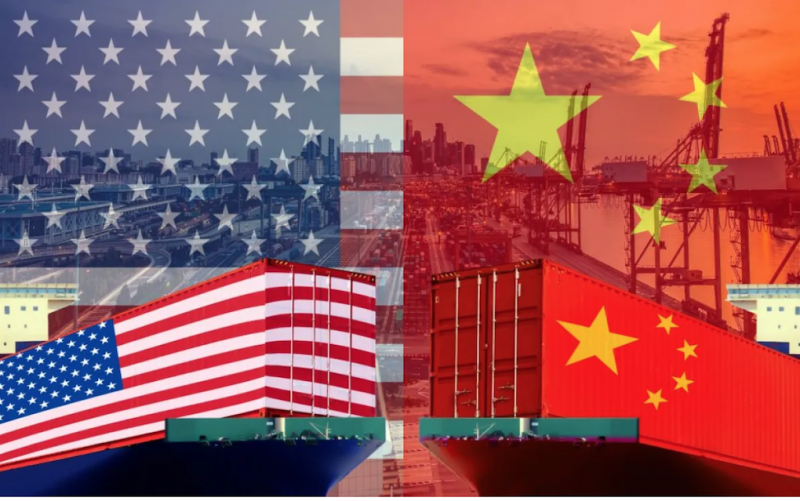
US President Donald Trump has once again stoked trade tensions by accusing China of deliberately devaluing its currency to cushion the impact of new US tariffs. Speaking in a closed-door meeting with Republicans in Congress, Trump warned that the move could “backfire badly” on China, which is heavily reliant on oil imports.
Chinese yuan hits 17-year low
The offshore yuan (CNH) fell sharply to 7.42 per dollar on April 8 – its lowest level since 2008. Meanwhile, the onshore yuan (CNY), which is tightly controlled within a 2% band by the People’s Bank of China, was also trading around 7.35 per dollar.
According to Nikkei Asia, the reduction came just hours before Trump’s additional 50% tariffs took effect, bringing the total tariffs on Chinese goods to 104%.
“This is clearly a tactic to soften the blow of the tariffs,” Trump said. “But in the end, they’re going to make it harder for themselves – because they need to buy oil, and we don’t.”
Tensions escalate with each round of tariffs
The yuan’s devaluation is believed to be a direct response after the US officially imposed a 34% tariff on Liberation Day. In response, Beijing immediately imposed an equivalent reciprocal tariff, prompting the Trump administration to raise tariffs by another 50%, escalating the two-way trade war into an unprecedented period of tension.
According to analysts, China’s devaluation of its currency is a double-edged sword. While it can temporarily reduce pressure on exporters, it also causes import prices – especially energy – to increase sharply. With China being the world’s largest oil importer, this could be a major blow to domestic industry and consumption.
History repeating itself?
This is not the first time Trump has accused China of currency manipulation. In 2019, he officially labeled Beijing a “currency manipulator” – for the first time since 1994 – after the yuan fell below 7.0 per dollar.
While the People’s Bank of China has insisted that the exchange rate adjustment “reflects market supply and demand and macroeconomic conditions”, many Western experts believe that Beijing is secretly using the exchange rate as a strategic tool in trade tensions.
Global markets are concerned
Investors reacted cautiously to the new developments on the trading floors. The US dollar rose slightly, while Brent crude oil prices edged up 1.2% on concerns that trade tensions could impact energy supplies and exchange rates. Gold held steady at nearly $3,000 an ounce, continuing to be a haven for investors.
It is still unclear what specific measures the White House will take to respond to the currency manipulation accusations this time. However, observers say that if the trend of escalating tariffs and currency devaluation continues, a global financial and trade crisis may be inevitable.