
Brazil Proposes New Bill to Limit Bitcoin Mining and Tax Daily Transactions, Warning of Tightening Crypto Market
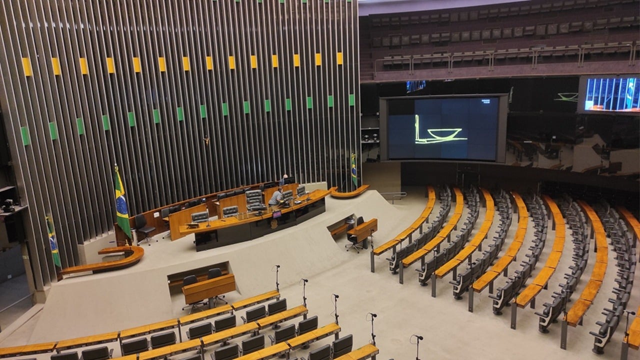
Brasília The cryptocurrency market in Brazil is facing a major turning point as a new bill has just been introduced to Congress, introducing strict controls on Bitcoin mining and cryptocurrency trading. If passed, the law could reshape the entire blockchain ecosystem in the South American country.
Bill 2766/2025: Aiming for Comprehensive and Strict Regulation
The bill, introduced by Deputy Flavio Nogueira of the Workers' Party (PT), the political party of President Luiz Inácio Lula da Silva, proposes a comprehensive legal framework to strengthen the supervision and control of cryptocurrency mining and trading.
Under the bill, any individual or business that wants to engage in cryptocurrency mining in Brazil will be required to register and be licensed by a new regulatory body called the Virtual Platform and Institutional Traders Registration Organization (PVRTO). If the entity fails to register within 90 days of operation, its operations could be immediately suspended.
High standards, new hurdles for crypto investors
In addition to mining, the bill also tightens conditions for crypto traders. Anyone who wants to engage in trading will need to obtain a License to Speculate in Cryptocurrencies for Institutional Traders (LCTIO), a certificate that can only be granted after passing tests on capital market knowledge, professional ethics, and criminal records.
Unlike current regulations, which are voluntary or sketchy, the bill’s criteria require investors to:
Have a formal degree related to capital markets or pass a specialized exam.
No criminal record.
Not currently under investigation or involved in criminal proceedings.
This is seen as a major step forward in professionalizing the crypto trading industry, but also raises concerns about the market access of retail investors.
Daily tax rate Burden or transparency?
Another notable point of the bill is the provision in Article 15: “Any profit derived from the transaction of crypto assets on the same day shall be subject to income tax.”
This marks a drastic change in Brazil’s tax policy on digital assets, moving from quarterly or annual taxation to a daily taxation mechanism, a model rarely seen even in developed countries.
Experts say this regulation could put great pressure on domestic exchanges to provide automatic tax reporting tools, while also causing short-term traders to reconsider their investment strategies.
Nuclear-Powered Cryptocurrency Mining?
The bill also introduces a novel feature by allowing cryptocurrency miners to use nuclear power for their operations, which is either prohibited or unclear in many other countries.
If implemented properly, this could be an opportunity for Brazil to take advantage of clean, low-cost energy to gain a competitive advantage in the Bitcoin mining sector, especially as many countries are gradually banning or restricting the industry for environmental reasons.
Reaction and prospects for passage
Bill 2766/2025 is currently under debate in Congress. To become law, it needs to receive the support of a majority of lawmakers in both chambers before being signed by President Lula.
Traditional financial institutions and some parts of the government welcome the initiative as a step towards legalizing and making the cryptocurrency market more transparent. However, the crypto community and liberal investors are concerned that this is a sign that Brazil is moving towards a tightly controlled model similar to China.
Conclusion: Brazil at a crossroads
Law 2766/2025 may be a revolutionary step in digital asset management, but it also risks slowing the growth of the blockchain industry in Brazil. How the government chooses to balance innovation and tight regulation will determine Brazil’s role in the global crypto future.