
ASEAN, China, Japan, South Korea Form Front Against Global Protectionism
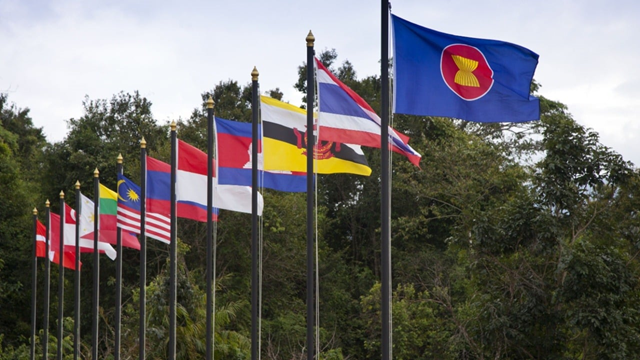
In a strong joint statement at the Finance Ministers and Central Bank Governors Meeting held in Milan, Italy, ASEAN, along with three major Asian economies – China, Japan and South Korea – spoke out against the rising tide of protectionism, directly referring to the hard-line trade policies of former US President Donald Trump.
The ASEAN+3 joint statement stressed that the rise of trade barriers and protectionism is directly threatening the global economic order, causing fragmentation and hindering the flow of trade, investment and finance in the region.
> “The escalation of trade protectionism weighs on global trade, leading to economic fragmentation, affecting trade, investment and capital flows across the region.” – Excerpt from official statement
Strengthening regional solidarity to cope with instability
In the context of increasingly harsh US tariff policies causing disruption to global markets, ASEAN and its Northeast Asian partners emphasized the need for a united regional front, promoting intra-regional trade as a solution to reduce dependence on external markets and limit the impact of world political fluctuations.
The statement emphasized the importance of a rules-based multilateral trading system, in which the World Trade Organization (WTO) plays a central role, and called for maintaining a free, fair, inclusive and transparent trading environment.
Asia towards financial autonomy and de-dollarization
Notably, the ASEAN+3 statement also mentioned efforts to reduce dependence on the US dollar in trade transactions, especially in the context of unilateral sanctions by the West that are raising concerns about regional financial stability.
Since 2023, many ASEAN countries have switched to using local currencies and regional currencies in bilateral and multilateral trade, and are looking for alternative payment mechanisms to avoid the political and financial risks that come from relying too much on the USD.
A new Asian alliance taking shape?
The fact that major economies such as China, Japan and South Korea have joined ASEAN in this statement is a clear demonstration of a changing regional order, moving towards greater economic and trade autonomy, while warning of the risk of global disunity if major powers continue to pursue unilateral and confrontational policies.
While the US pursues a policy of prioritizing domestic interests, Asia is sending a clear message: regional cooperation and free trade remain the foundation for long-term stability and development.